
|
On December 29th, 1890, Chief Bigfoot's band of 300 unarmed men, women and children
were gunned down by a drunken and inexperienced 7th Cavalry. By the end of the
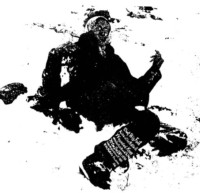
day, a blizzard had set in. The bodies of the dead quickly froze into grotesque
shapes. Later, soldiers dug a mass grave and unceremoniously burried the dead
at Wounded Knee. The survivors- four men and forty-seven women and children,
were hauled by buckboard and left at the Episcopal mission at Pine Ridge, South
Dakota. It was four days past christmas. Above the pulpit a banner read- "Peace
on Earth, Good Will to Men."
|
|
THE RIDE TO WOUNED KNEE tells the true story of the massacre of 1890. One hundred years later, a ceremonial
reenactment of the flight of the Lakota was performed by their descendents.
They rode from Standing Rock to Wounded Knee, a journey of 250 miles, in minus
70 degree weather during the same two week period in December. This beautiful footage
by award winning cinematographer Frances Reid dramatizes the 1890 events.
Archival flims by such pioneering directors as Buffalo Bill, Thomas Ince, Buster
Keaton and John Ford further dramatize the history. Music from the Memorial
Ride, and authentic music from 1890- from the Seventh Cavalry, the Ghost Dance
and the songs of Sitting Bull, add depth and meaning. The historical narrations
are all based on documetary sources- newspapers, millitary records, diaries and
interviews with survivors of the massacre.
|
|
Interviews with the leaders of the Bigfoot Memorial Ride, including Arvol Looking
Horse, the holder of the sacred pipe, add great insight to the historical events
and their meaning to the Lakota people today. Elders whose parents or grandparents
survived the massacre tell the stories that they heard as children, in the
tradition of Lakota oral history. THE RIDE TO WOUNDED KNEE ends with a haunting memorial at the mass grave site at Wounded Knee. Grieving and
praying, the people honor their ancestors, then wipe away the tears and turn
toward the future.
|